
 Nöbetçi Eczaneler

National plans to tackle antimicrobial resistance are improving across Asia and the Pacific, but funding remains inadequate, according to a WHO and Japan-supported assessment announced on 5 October 2026.
The findings draw on data from 28 countries. Twenty-seven had endorsed at least one multisectoral action plan, while only eight reported that their antimicrobial-resistance activities were financed entirely from domestic sources.
The assessment also identified gaps in basic water, sanitation and hygiene services at health facilities. Such infrastructure helps prevent infections and can reduce the need for antimicrobial treatment.
The findings concern the participating countries, rather than every country worldwide. WHO called for costed and funded plans, stronger surveillance and more appropriate antimicrobial use. Antimicrobial resistance describes microorganisms becoming resistant to medicines; it does not mean that a patient’s body has become resistant.
Read the original Turkish report · Official source · Additional official source · Additional official source.
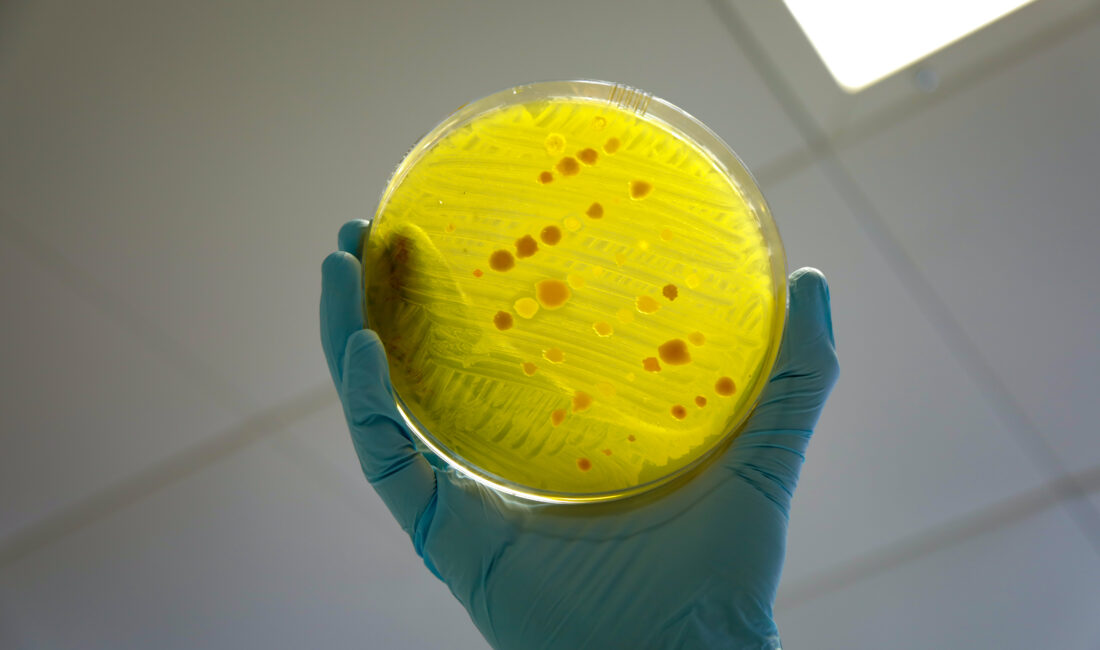
Photo: DFID / Will Crowne. Archive photograph, 2019. CC BY 2.0: https://creativecommons.org/licenses/by/2.0/.