
 Nöbetçi Eczaneler

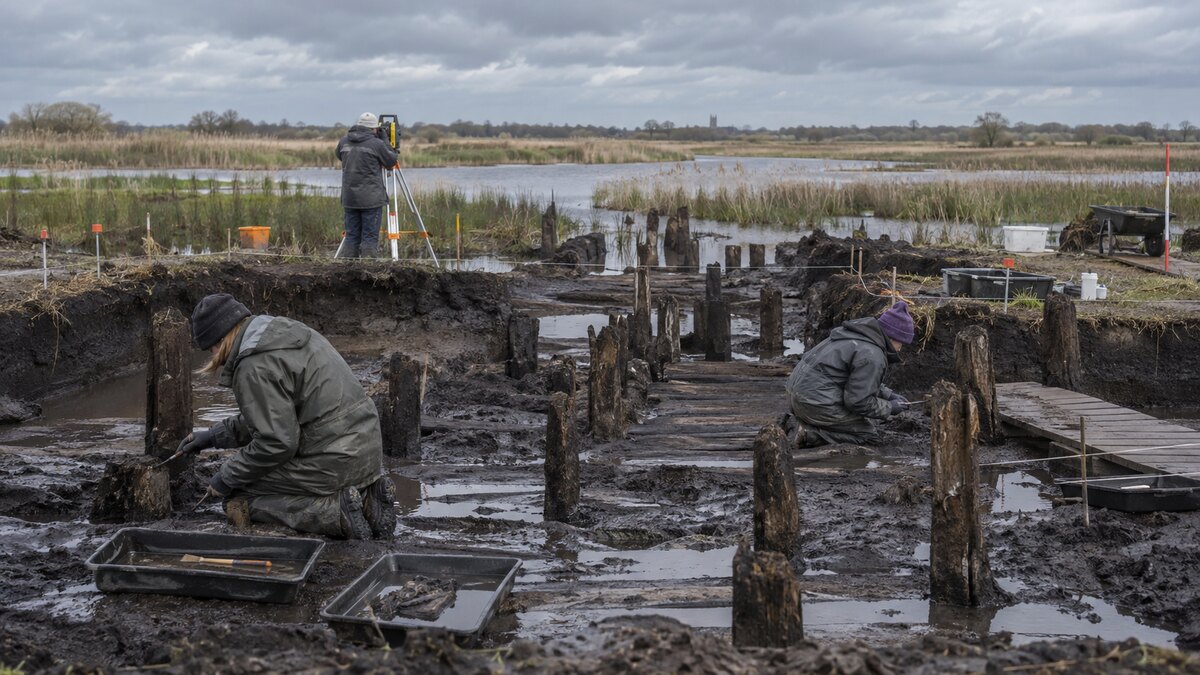
The UK government has awarded £700,000 for a new archaeological excavation at Flag Fen near Peterborough, one of Britain’s most important Bronze Age sites. The project will investigate and record waterlogged timber remains that are under growing pressure from falling groundwater levels and drying peat.
The funding was announced on 13 September 2026 by the Department for Environment, Food and Rural Affairs (Defra) and Historic England. It is being provided through the Countryside Stewardship Heritage Service, which supports the protection of significant archaeological sites located on agricultural land.
A 3,500-year-old timber complex
Flag Fen is known for the remains of a timber causeway and platform constructed around 3,500 years ago. Thousands of wooden posts were driven into the wet fenland, creating a substantial structure that has helped archaeologists study Bronze Age engineering, settlement patterns and ritual activity.
The waterlogged conditions at the site preserved timber and other organic materials that would normally decay. Historic England says structures of this scale and level of survival are rare, making the site an important source of evidence about prehistoric life in the region.
Excavation will focus on the western alignment
The new project will examine the western post alignment, an area where archaeological remains are considered to be at particular risk. Excavators will expose selected sections, document the position and condition of the timbers, recover material for specialist analysis and collect environmental samples.
The results will be used to improve the site’s long-term conservation plan. They will also contribute to future visitor interpretation, allowing new findings to be incorporated into the public presentation of Flag Fen Archaeology Park.
Falling groundwater threatens organic remains
Flag Fen’s preservation depends heavily on saturated peat, which limits the oxygen that reaches buried wood and other organic material. The official announcement states that falling groundwater levels and the drying of surrounding peat are placing these remains at risk.
Recent evaluation work found deterioration in some ancient worked timber. The site manager estimates that about 40 per cent of the buried archaeology is at serious risk, according to the government announcement. Flag Fen has been included on Historic England’s Heritage at Risk Register since 2012.
The planned excavation is intended to create a detailed record of threatened remains while providing evidence for decisions on conservation, water management and the future care of the site.
Training and community participation
The project will involve professional archaeologists as well as university students, local volunteers and community participants. The government said the work will provide practical training in excavation, recording and the treatment of waterlogged archaeological material.
Public engagement is also part of the programme. Findings from the excavation are expected to support educational activity and help explain how environmental change affects buried heritage. Details of public access and participation will be announced by the project partners.
Government and heritage bodies working together
Farming Minister Stephen Morgan visited Flag Fen with project partners on 10 September, three days before the funding announcement. Defra and Historic England will oversee the heritage support, while specialists at the site will manage the excavation and conservation work.
The grant forms part of a wider approach that links environmental land management with the protection of archaeological assets. Project updates, excavation findings and any changes to visitor arrangements will be issued through the official channels of the participating organisations.